Academic project / 07
SIYA — Online Sports Venue Booking Platform
From business analysis to business model and a working frontend demo
At a glance
Project overview
Case study content
The problem: when booking a court still depends on a phone call and a notebook
The team built the concept for an intermediary platform connecting people looking to rent sports venues with venue owners through online booking. The idea came from observing the limitations of traditional manual management: owners tracking bookings on paper or by phone, frequent double-bookings, no electronic receipts, cash-only payments, and almost no data being captured to optimize operations or customer care.
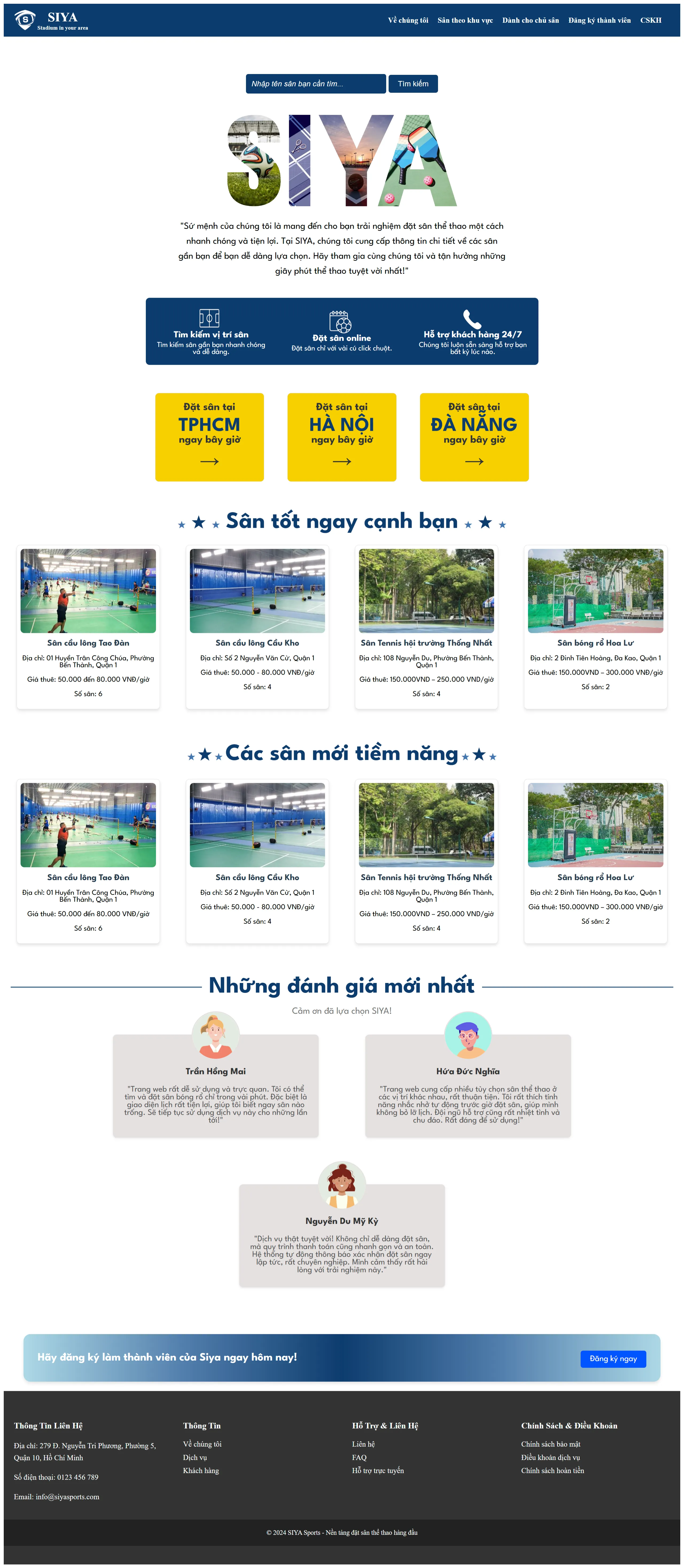
The team proposed building SIYA with core features: online booking, real-time schedule display, online payment, OTP verification with electronic receipts, plus advanced features such as AI-driven demand forecasting and personalized time-slot recommendations.
Role: from strategic analysis to hands-on frontend code
Led most of the work throughout the project, including:
- Conducted the full Business Analysis for the business model
- Applied Porter’s Five Forces to analyze the competitive landscape
- Analyzed the CRM, MIS, and TPS systems relevant to the platform
- Designed the new business process for the booking system
- Designed the user interface
- Personally developed the frontend in HTML, CSS, and JavaScript
- Designed the slides and edited the report
- Helped coordinate and drive the team’s overall progress
The process: from market analysis to something you could actually click through
What set this project apart from many other MIS assignments was that it didn’t stop at theoretical analysis — it went all the way to a working frontend demo. The workflow:
- Survey the sports venue booking problem and analyze the current operating process
- Identify the shortcomings of the existing system
- Analyze the competitive environment using Porter’s Five Forces and Value Chain Analysis
- Design the new business process for the SIYA platform
- Propose the new information system, defining the roles of CRM, MIS, and TPS
- Design the user interface and prototype the admin module in Figma
- Build the frontend demo in HTML, CSS, and JavaScript
- Finalize the report and presentation
Results
- Completed the SIYA business model with full competitive and value chain analysis
- Built a new business process for the online booking platform
- Completed the end-user frontend interface
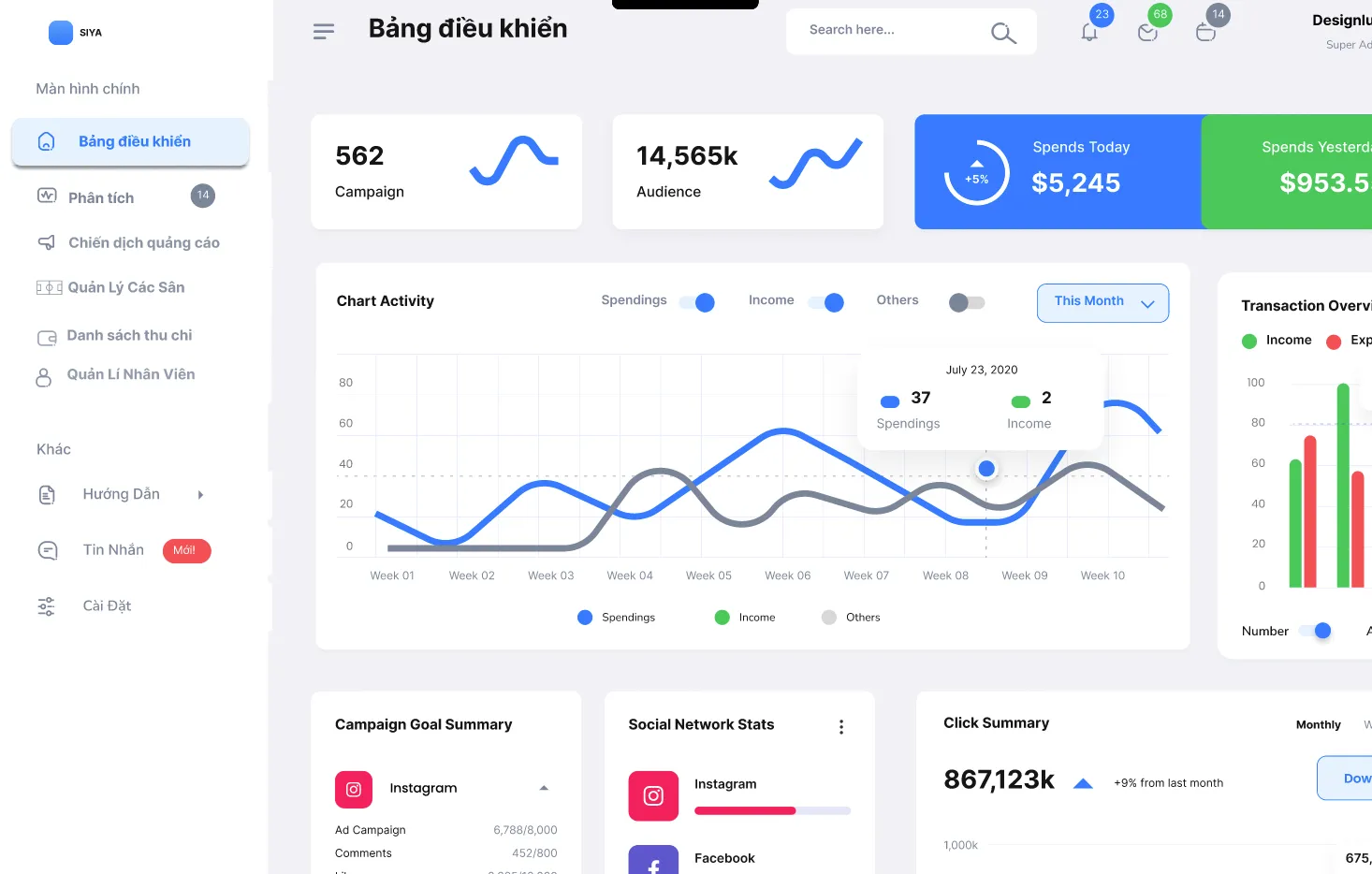
- Designed an admin module prototype in Figma
- Proposed several features to improve customer experience and operational efficiency, particularly AI applications for demand forecasting
What I’m proudest of
This was one of the projects invested in the most. Beyond directly building the frontend and conducting the business analysis, also helped shape the overall project structure, supported other team members, and connected the different workstreams to keep the project cohesive. It’s also a topic close to a real market need, with real potential to grow into a full product.
The biggest takeaway
The project clarified how to analyze a business problem before building a system, the roles of MIS, TPS, and CRM in a business, how to apply Porter’s Five Forces and Value Chain Analysis to a real business scenario, and the connection between business process and technology solutions. It was also the first time practicing a frontend development workflow tied to a clear business context, rather than just a standalone UI exercise.
If I did it again
- Build out a complete backend and database instead of stopping at the frontend
- Design a clearer system architecture
- Build an admin dashboard backed by real data
- Design a database and ETL process to support analysis
- Use historical data to build an actual demand forecasting model instead of just proposing the AI idea
- Add business KPIs and a visual dashboard
- Standardize the documentation and present the report more professionally
Case study
Project Screenshots
Start a conversation
Have a question worth exploring?
I’m open to data roles, thoughtful collaborations, and conversations about the work behind this case study.
Get in touch